
21st November, 2024
5 Employee Evaluation Methods :
Employee Evaluation Methods is a crucial component of organizational development. It helps managers and leaders assess employee performance, identify areas for improvement, and align individual goals with company objectives. Here are five effective employee evaluation methods organizations can utilize to foster a culture of accountability and growth.
1. Employee Evaluation Methods- Self-Assessment :
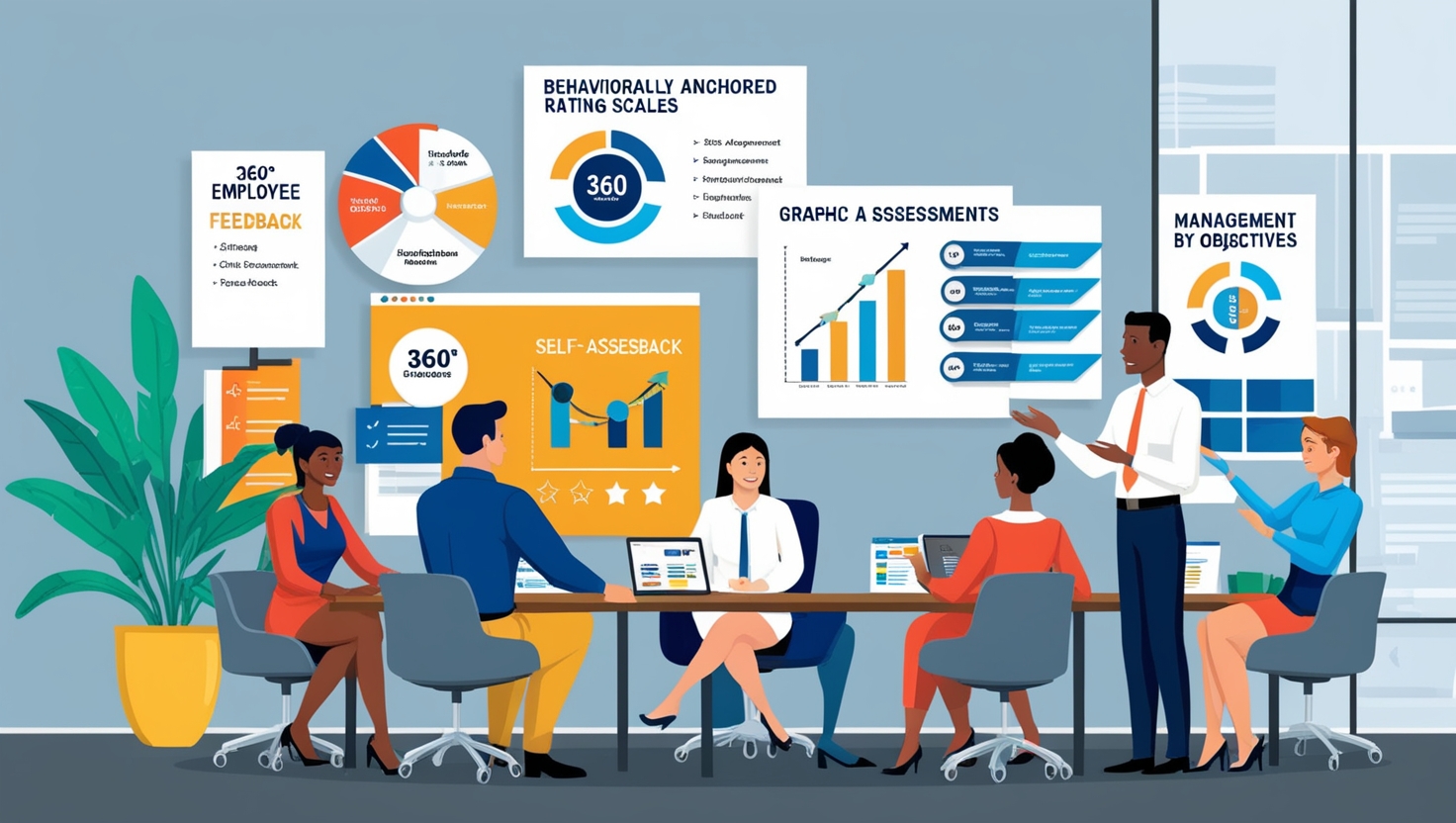
empowers Employee Evaluation Methods to reflect on their performance, strengths, and weaknesses. This method encourages individuals to take ownership of their work and helps them understand their contributions to team goals. By allowing employees to articulate their achievements and areas for development, self-assessments can promote open dialogue during performance reviews and create a more collaborative atmosphere for feedback.
2. 360-Degree Feedback:
This comprehensive Employee Evaluation Methods gathers input from various sources, including supervisors, peers, subordinates, and even clients. By incorporating diverse perspectives, 360-degree feedback provides a well-rounded view of an employee's performance. It can highlight strengths that may not be visible from a managerial viewpoint and identify blind spots, fostering a culture of continuous improvement and mutual respect within the organization.
3. Rating Scales:
Rating scales offer a structured approach to employee evaluations by allowing managers to score employee performance based on predefined criteria. This quantitative method provides a clear framework for assessing various aspects of an employee's work, such as quality of output, teamwork, and punctuality. While rating scales can simplify the evaluation process, managers need to accompany these scores with qualitative feedback to ensure a holistic assessment.
4. Behavioral Observation:
Observing employees in their work environment can provide valuable insights into their performance and interpersonal skills. This method involves managers or peers closely monitoring an employee's behavior and actions during specific tasks or projects. Behavioral observation can help identify real-time strengths and areas for improvement, making it an effective way to gather evidence for performance evaluations and ongoing development.
5. Goal Setting and Performance Reviews:
Establishing clear, measurable goals and conducting regular performance reviews is a proven method for evaluating employees. By aligning individual objectives with organizational goals, this approach ensures that employees understand their roles and expectations. Regular performance reviews allow for timely feedback, celebrating successes, and addressing challenges, thereby maintaining motivation and engagement throughout the evaluation period.
Incorporating a blend of these evaluation methods can create a more comprehensive and effective performance management system. By fostering open communication and continuous feedback, organizations can support employee development while enhancing overall performance and productivity.